How I Finally Took Control: A Real Talk on Breaking Free from Smoking and Alcohol
Every morning used to start with a cigarette and a stiff drink to calm my nerves. I knew it was harming me, but quitting felt impossible—until I started seeing small changes. This is not a miracle story, but a real, step-by-step journey of reclaiming my health. If you’ve ever felt stuck in the same cycle, this might be the push you need to begin. It wasn’t one dramatic moment that changed everything, but a series of quiet decisions—choosing water over wine, taking a walk instead of lighting up, forgiving myself after a misstep. This is a story about what happens when you stop waiting to be fixed and start building a life that doesn’t need numbing.
The Wake-Up Call: When Habits Hit Hard
For years, I told myself I was in control. The cigarette after breakfast? Just part of the routine. The evening glass of wine? A way to unwind. But slowly, the routine began to feel less like a choice and more like a demand. I noticed I was tired by mid-afternoon, even after a full night’s sleep. My skin looked dull, my breathing shallow. Simple tasks like climbing stairs left me winded. One morning, I caught my reflection in the mirror and didn’t recognize the person staring back—pale, puffy, with eyes that looked older than my years.
The real wake-up call came during a routine check-up. My doctor didn’t raise his voice, but his words landed like stones. My blood pressure was elevated. Liver enzymes were slightly raised. He didn’t scold me; he simply said, “Your body is sending signals. Are you listening?” That question stayed with me. I realized I wasn’t just managing stress—I was medicating it. Smoking and drinking had become my default responses to everything: boredom, frustration, even mild joy. The habits weren’t just affecting my health—they were shrinking my life.
What I learned is that change doesn’t start with willpower. It starts with awareness. The moment I stopped minimizing my habits and acknowledged their true cost—energy, clarity, peace—that was the first real step forward. I didn’t need to be perfect. I just needed to be honest. And in that honesty, I found the motivation to build something better.
Understanding the Grip: Why These Habits Stick
To break free, I had to understand what I was up against. Nicotine and alcohol aren’t just habits—they’re substances that alter brain chemistry. Nicotine triggers the release of dopamine, the brain’s “feel-good” chemical, within seconds of inhalation. Alcohol enhances the effects of GABA, a neurotransmitter that calms the nervous system. Over time, the brain begins to rely on these external sources to feel balanced, making withdrawal uncomfortable and cravings intense.
But the physical dependence is only half the story. The psychological grip is just as powerful. I began to notice patterns: I reached for a cigarette when I felt overwhelmed. I poured a drink when the house got quiet. These weren’t random acts—they were responses to cues. Researchers call this the habit loop: a trigger (like stress), a routine (smoking or drinking), and a reward (temporary relief). The brain remembers this loop and reinforces it, making the behavior automatic.
Social settings also played a role. Dinner with friends often meant wine. Phone calls with my sister ended with, “Let’s have a drink.” Even watching TV became paired with a glass in hand. These rituals made it feel normal, even necessary. But normal doesn’t mean healthy. I had to reframe my thinking: just because something is common doesn’t mean it serves me. Awareness of these loops didn’t erase the cravings, but it gave me space to pause and choose differently.
Understanding the science didn’t make quitting easy, but it removed the shame. This wasn’t about weakness—it was about biology and behavior. And if habits were learned, they could be unlearned.
Building a Personal System, Not Just Willpower
I used to believe quitting meant relying on sheer determination. I’d try to go cold turkey, only to relapse within days. Each failure chipped away at my confidence. What finally worked wasn’t more willpower—it was better design. I shifted my focus from resisting temptation to reshaping my environment and routines. Willpower is finite; systems are sustainable.
First, I redesigned my space. I removed ashtrays and lighters. I didn’t keep alcohol in the house. These small changes reduced the friction of temptation. If a craving hit, there was no bottle within reach, no pack in the drawer. Out of sight didn’t always mean out of mind, but it bought me time to make a conscious choice.
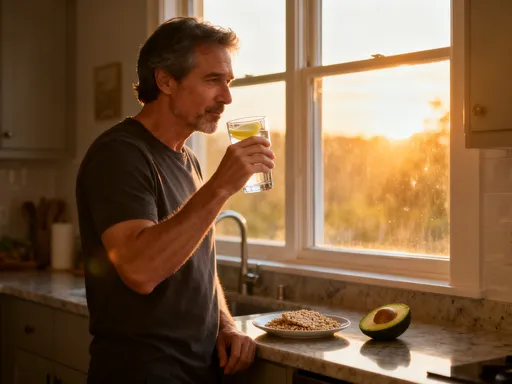
Next, I built replacement routines. When the urge to smoke struck, I stepped outside—but instead of lighting up, I practiced deep breathing or walked around the block. When I felt the pull to drink in the evening, I switched to herbal tea or sparkling water with lemon. These weren’t perfect substitutes, but they disrupted the automatic response. Over time, the new behavior began to feel familiar.
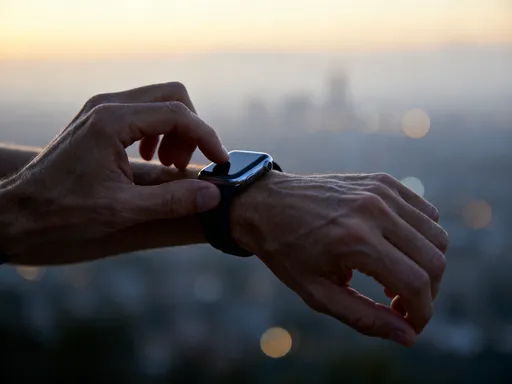
I also used digital tools to support my goals. I set reminders on my phone to check in with how I was feeling. I used a habit-tracking app to log cravings and note what I did instead. Seeing progress in numbers—“7 days without smoking,” “5 alcohol-free evenings”—reinforced my commitment. The system wasn’t about perfection; it was about consistency. And consistency, I learned, builds confidence.
Tackling Smoking: Small Shifts That Added Up
Quitting smoking felt like the steepest hill to climb. I didn’t try to stop all at once. Instead, I started with one change: delaying the first cigarette of the day. Originally, it was the moment I opened my eyes. I pushed it to after brushing my teeth. Then after breakfast. Each delay created a small victory, proving I had more control than I thought.
I also reduced frequency. I limited myself to half the number of cigarettes I used to smoke. I kept track in a notebook, not to shame myself, but to observe patterns. I noticed I smoked more on stressful days, after meals, and when I was alone. This awareness helped me anticipate cravings and plan alternatives.
Breathing exercises became a key tool. When a craving hit, I practiced the 4-7-8 method: inhale for four seconds, hold for seven, exhale for eight. It calmed my nervous system and gave me something to focus on. I also increased physical activity—short walks, stretching, even dancing to a favorite song. Movement helped clear my mind and reduced the intensity of cravings.
One of the most powerful shifts was changing how I talked to myself. Instead of thinking, “I can’t smoke,” I said, “I don’t need to smoke.” That small language change reinforced agency. I wasn’t depriving myself—I was choosing something better. And with each passing day, the cravings grew quieter, not because I fought them harder, but because I stopped feeding them.
Rethinking Alcohol: From Daily Habit to Mindful Choice
Alcohol was trickier because it felt so woven into daily life. It wasn’t just for parties—it was for Tuesday nights, for finishing chores, for quiet moments. I realized I had normalized regular drinking to the point where not drinking felt unnatural. The first step was simply noticing: how often was I reaching for a drink, and why?
I started with a simple experiment: the 3-day rule. I committed to three alcohol-free days each week. At first, it felt awkward. I missed the ritual. But by the second week, I noticed subtle changes. I slept more deeply. My mood felt more stable. I wasn’t waking up with that faint sense of regret. The break reset my tolerance and reminded me what it felt like to be clear-headed.
I explored non-alcoholic alternatives. Sparkling water with lime, ginger tea, or a mocktail with bitters and cranberry juice became my evening staples. I learned to pace myself—not just with drinks, but with moments. Instead of pouring a glass as soon as I got home, I waited. Often, the urge passed.
Saying no became easier with practice. I stopped feeling the need to explain or justify. “No, thank you” was enough. I also redefined social experiences. I began hosting gatherings with a focus on food, music, or conversation—not drinks. Friends respected my choice, and some even followed my lead. What I discovered was that joy doesn’t require alcohol. Connection doesn’t depend on it. In fact, being fully present made moments richer.
Support Systems That Actually Work
I didn’t do this alone. One of the most important decisions was telling a close friend about my goals. Not for approval, but for accountability. I didn’t need someone to cheer me on every day—just someone who knew what I was trying to do. When I slipped up, I could talk about it without judgment. That simple act of sharing lifted a weight.
I also found strength in community. I joined an online support group for people reducing or quitting alcohol and tobacco. Reading others’ stories reminded me I wasn’t alone. Some shared strategies that worked for them—carrying a stress ball, using a specific app, attending wellness workshops. I didn’t adopt every idea, but having options helped me feel empowered.
Self-compassion was crucial. There were days I smoked. Nights I drank more than planned. In the past, these moments would have led to a full relapse. This time, I tried a different approach: I acknowledged the slip, asked what triggered it, and re-committed without guilt. Progress isn’t linear. Healing isn’t about never failing—it’s about learning how to begin again.
When I felt stuck, I sought professional guidance. A counselor helped me explore the emotional roots of my habits. A doctor reviewed my health markers and encouraged me with tangible improvements. These conversations weren’t about fixing me—they were about supporting me. Professional insight gave me clarity and reinforced that I was moving in the right direction.
Long-Term Gains: What Changed Beyond Health
The physical changes were undeniable. Within weeks, my breathing improved. I had more energy. My skin looked brighter. Sleep became deeper and more restorative. But the emotional and mental shifts were even more profound. I felt more present. My thoughts were clearer. I wasn’t just surviving the day—I was engaging with it.
Confidence returned in quiet ways. I felt proud of sticking with small choices. I stopped apologizing for my needs. I said “no” more often—not just to substances, but to obligations that drained me. This sense of agency rippled into other areas. I started cooking more, reading again, reconnecting with hobbies I’d abandoned.
Relationships improved. I was more patient with my family. Conversations felt more authentic because I was fully there. My children noticed the change. One said, “You seem lighter, Mom.” That moment meant more than any medical test result.
Productivity followed. Without the fog of nicotine and alcohol, I could focus for longer periods. I started a small garden, then a journal, then a weekly walk with a neighbor. Each step built on the last. I wasn’t chasing a perfect life—I was creating a more intentional one.
What surprised me most was the sense of freedom. It wasn’t about restriction; it was about expansion. I had more time, more clarity, more presence. I wasn’t defined by my habits anymore. I was defined by my choices.
Breaking free from smoking and alcohol isn’t about dramatic overhauls—it’s about consistent, mindful choices. This journey taught me that real change comes from systems, not slogans. Your health isn’t a distant goal; it’s a daily promise to yourself. And sometimes, the smallest shift is the one that starts it all.