Why I Swear by This Simple Daily Move—And You Might Too
What if just one small daily habit could boost your energy, improve your mood, and lower your risk of chronic illness? For years, I ignored exercise, thinking it meant long gym sessions or intense workouts. But when I started a simple, science-backed movement routine at home, everything changed. No equipment, no pressure—just consistent, doable motion. This isn’t a miracle fix, but it’s powerful preventive healthcare you can actually stick with.
The Hidden Cost of Sitting Still
In today’s world, many of us spend more time sitting than moving. Whether working at a desk, managing household tasks from a kitchen chair, or relaxing in front of the television, prolonged sitting has become the default posture of modern life. This sedentary lifestyle, once considered harmless, is now recognized by health experts as a silent threat to long-term well-being. Research consistently shows that extended periods of inactivity are linked to an increased risk of heart disease, type 2 diabetes, certain cancers, and even cognitive decline. The body is designed to move, and when it doesn’t, systems begin to slow down in ways that may not be immediately noticeable—but the damage accumulates over time.
Even individuals who meet weekly exercise guidelines—such as 150 minutes of moderate activity—are not fully protected if they remain seated for most of the day. A phenomenon known as “active sedentary” describes people who work out but still face health risks due to long, uninterrupted sitting. For busy mothers, remote workers, or those managing home responsibilities, structured workouts can feel unattainable. Yet, the real danger lies not in missing the gym, but in going hours without standing, stretching, or walking even a few steps. The human body thrives on frequent motion, not just occasional bursts of effort.
Imagine a typical afternoon: a woman finishes preparing lunch, sits to eat, then settles into answering emails or helping children with homework. By evening, she may have spent five or more consecutive hours in a seated position. Over time, this pattern reduces circulation, slows metabolism, and weakens muscles essential for balance and posture. These changes happen gradually, often without pain or warning, which makes them easy to overlook. But the consequences—fatigue, stiffness, weight gain, and higher blood pressure—can begin to surface within months. Recognizing this hidden cost is the first step toward meaningful change.
The good news is that awareness alone can spark action. Simply noticing how much time is spent seated allows for small, deliberate interventions. Standing while talking on the phone, walking around the house after meals, or doing light stretches during commercial breaks are all simple ways to disrupt long sitting spells. These moments of movement may seem minor, but they signal to the body that it’s being cared for. Prevention doesn’t require dramatic shifts; it begins with recognizing the problem and choosing to respond—one small step at a time.
Movement as Medicine: The Science Behind It
Physical activity is not just about fitness or appearance—it functions as a form of medicine that supports every major system in the body. When you move, even gently, your muscles contract and signal a cascade of beneficial responses. Blood flow increases, delivering oxygen and nutrients to tissues while helping remove waste products. Your heart, like any muscle, becomes stronger and more efficient with regular use. It learns to pump blood with less effort, reducing strain over time and lowering the risk of high blood pressure and cardiovascular disease.
At the cellular level, movement enhances how the body uses insulin, the hormone responsible for regulating blood sugar. Improved insulin sensitivity means cells can absorb glucose more effectively, which helps prevent insulin resistance—a key factor in the development of type 2 diabetes. Studies show that just 30 minutes of moderate activity most days of the week can significantly reduce the risk of this condition, especially in women over 40, who may experience metabolic changes during perimenopause and menopause.
Inflammation, often referred to as the body’s “silent fire,” is another target of regular movement. Chronic low-grade inflammation is associated with numerous health issues, including arthritis, heart disease, and certain digestive problems. Physical activity helps regulate the immune system, reducing the production of inflammatory markers. Think of movement as a natural reset button—it doesn’t eliminate inflammation entirely, but it keeps it in check, much like routine maintenance prevents a car engine from overheating.
The benefits extend beyond physical systems. Movement stimulates the release of endorphins and other mood-regulating chemicals in the brain, which can ease feelings of stress and improve emotional resilience. It also supports better sleep by helping regulate circadian rhythms. For women juggling family, work, and personal responsibilities, these mental and emotional advantages are just as vital as physical health. The science is clear: daily movement isn’t about achieving athletic performance—it’s about protecting your long-term quality of life.
And the best part? You don’t need to run marathons or lift heavy weights to gain these benefits. Brisk walking, gentle dancing, gardening, or even folding laundry with mindful awareness can count. What matters most is consistency. The body responds not to intensity alone, but to the repeated signal that it is being used and valued. Over time, these small efforts build a foundation of resilience, helping you stay active, independent, and vibrant well into later years.
Redefining “Exercise” for Real Life
Many people avoid movement because they believe it must look a certain way—structured, intense, or time-consuming. The image of someone in athletic wear running on a treadmill or lifting weights at the gym can feel intimidating, especially for those with limited time, energy, or confidence. But this narrow definition of exercise excludes the millions of women who want to stay healthy without overhauling their lives. The truth is, exercise doesn’t have to mean sweating for an hour or mastering complex routines. Real-life movement is far more flexible, accessible, and sustainable.
Instead of thinking in terms of “workouts,” consider redefining exercise as intentional movement woven into your daily rhythm. This could mean taking a 10-minute walk after breakfast, doing seated leg lifts while reading, or standing and swaying while waiting for the kettle to boil. These moments may seem insignificant, but when repeated daily, they add up to meaningful health benefits. Research shows that accumulating short bursts of activity throughout the day—known as “lifestyle physical activity”—can be just as effective as longer, continuous sessions for improving cardiovascular health and metabolic function.
Everyday choices offer countless opportunities for movement. Parking farther away from store entrances, taking the stairs instead of the elevator, or hand-washing the car rather than using a machine all contribute to your daily activity total. Even household chores like vacuuming, mopping, or gardening involve physical effort that strengthens muscles and burns calories. The key is to shift your mindset: instead of viewing these tasks as obligations, see them as built-in chances to care for your body.
Technology can also support this approach. Setting a reminder on your phone to stand and stretch every hour, using a pedometer to track steps, or following a five-minute stretching video during a commercial break can make movement easier to integrate. The goal isn’t perfection—it’s progress. By redefining exercise as something achievable within your existing routine, you remove the pressure and make long-term adherence more likely. Over time, these small choices become second nature, forming a quiet but powerful habit of self-care.
Building Your Personalized Movement Plan
Creating a sustainable movement plan starts with simplicity and self-awareness. Rather than aiming for an ambitious routine that’s hard to maintain, begin with just 10 to 15 minutes a day. This small commitment is manageable for most women, even on busy days, and serves as a foundation for future growth. The goal is not to push yourself to exhaustion, but to establish consistency. Over time, as your energy and confidence increase, you can gradually extend the duration or add variety.
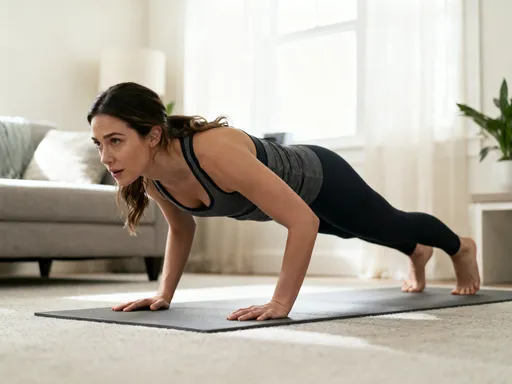
A well-rounded plan includes three types of movement: cardiovascular activity, strength training, and flexibility work. Brisk walking is an excellent low-impact cardio option that requires no equipment and can be done almost anywhere. Aim for a pace that raises your heart rate slightly but still allows you to speak in full sentences. For strength, bodyweight exercises like wall push-ups, seated marches, or standing squats (using a chair for support if needed) help maintain muscle mass, which naturally declines with age. Even two or three sets of 10 repetitions, done a few times a week, can make a noticeable difference in stability and daily function.
Flexibility and balance are equally important, especially for preventing falls and maintaining independence. Gentle stretching or chair yoga can improve range of motion and reduce stiffness. Focus on major muscle groups—calves, hamstrings, shoulders, and back—and hold each stretch for 20 to 30 seconds without bouncing. These practices also promote relaxation, making them ideal for evenings or moments of tension.
To stay motivated, consider tracking your progress with a simple journal or app. Noting down each day you move—even briefly—creates a visual record of your commitment and reinforces positive behavior. Pairing movement with something enjoyable, like listening to a favorite podcast or calling a friend while walking, can also increase adherence. Remember, the most effective plan is one that fits your life, not one that disrupts it. Personalization is key: if you love dancing, dance. If you enjoy being outdoors, walk in a park. The best exercise is the one you’ll actually do.
Making It Stick: Habits That Last
Starting a new routine is often easier than maintaining it. The real challenge lies in turning intention into habit. Behavioral science shows that habits are more likely to stick when they are linked to existing routines—a strategy known as “habit stacking.” For example, you might decide to do five minutes of stretching right after brushing your teeth in the morning or take a short walk immediately after lunch. By attaching movement to something you already do consistently, you reduce the mental effort required to begin.
Environmental cues also play a powerful role. Keeping a pair of walking shoes by the front door, placing a yoga mat in a visible spot, or setting a recurring alarm on your phone can serve as gentle reminders. These small prompts make it easier to act without relying solely on willpower, which can fluctuate based on mood, stress, or fatigue. Over time, these cues become triggers for automatic behavior, much like how seeing a coffee cup might signal it’s time to brew a pot.
Common obstacles—such as lack of time, low energy, or household demands—can derail even the best intentions. Instead of viewing these as failures, treat them as opportunities to adapt. If you miss a morning walk, try a five-minute stretch before bed. If you’re too tired to stand, do seated leg lifts while watching TV. Flexibility, not perfection, is the goal. Missing a day doesn’t erase progress; it’s simply part of the journey.
Self-compassion is essential. Many women hold themselves to high standards, especially when it comes to health and caregiving. But beating yourself up for skipping a day only increases stress and makes it harder to restart. Instead, practice kindness. Acknowledge the effort you’ve already made and recommit gently. Long-term success isn’t measured by flawless consistency, but by your ability to return, again and again, to the choice of caring for yourself.
Listening to Your Body: Safe and Smart Progression
Movement should empower, not harm. One of the most important aspects of a sustainable routine is learning to listen to your body’s signals. Normal fatigue—feeling pleasantly tired after activity—is different from pain, dizziness, or shortness of breath. These warning signs indicate that you may be pushing too hard or need to modify your approach. Paying attention to how your body responds helps you stay safe and avoid injury, especially if you’re new to regular movement or managing a health condition.
Starting slowly is not a sign of weakness—it’s a sign of wisdom. Begin with gentle activities and gradually increase intensity or duration as your stamina improves. If you have concerns about heart health, joint pain, or other medical issues, consulting a healthcare provider before beginning a new routine is a responsible step. They can offer personalized guidance and help you identify any limitations to consider. Preventive care includes knowing your body and honoring its needs.
Modifications are not failures—they are smart adaptations. Using a chair for support during standing exercises, reducing range of motion, or choosing seated alternatives ensures that movement remains accessible and safe. The goal is not to meet an external standard, but to support your unique body. Over time, as strength and confidence grow, you may find yourself naturally doing more—but the foundation of safety and self-awareness remains essential.
Progress is not always linear. Some days will feel easier than others, and that’s normal. The key is to stay consistent without comparing yourself to others or to an idealized version of fitness. Your body is not a machine to be pushed, but a partner to be nurtured. When movement is approached with respect and care, it becomes a lifelong source of strength and resilience.
The Ripple Effect: Beyond Physical Health
The benefits of daily movement extend far beyond the physical. Women who make even small efforts to move regularly often report improved sleep, reduced stress, and sharper mental focus. Physical activity helps regulate cortisol, the body’s primary stress hormone, leading to a calmer nervous system and greater emotional balance. It also increases blood flow to the brain, which supports cognitive function and may reduce the risk of age-related memory decline.
There’s also a psychological shift that occurs with consistency. Each time you choose to move, you send a message to yourself: “I matter. My health matters.” These small acts of self-care build confidence and create a positive feedback loop. The more you show up for yourself, the more capable and in control you begin to feel. This sense of agency can ripple into other areas of life—improving decision-making, increasing patience with family, and enhancing overall well-being.
Over time, movement becomes less of a task and more of a ritual—a quiet, daily promise to honor your future self. It’s not about achieving a certain look or fitting into a particular size. It’s about preserving your ability to live fully, to play with grandchildren, to travel, to enjoy simple pleasures without pain or limitation. In a world that often demands so much from women, this practice becomes a form of quiet rebellion—a way of saying, “I am worth the time.”
Ultimately, the most powerful reason to move every day is not to avoid disease, but to embrace life. It’s about showing up for the moments that matter, with energy, clarity, and strength. This simple daily habit isn’t a cure-all, but it is one of the most effective, accessible tools we have for building a healthier, more vibrant future. And for that reason, it’s a habit worth swearing by.