How I Stopped Overthinking Social Events and Finally Enjoyed Them
Have you ever felt drained before even walking into a party? I used to dread gatherings—not because I didn’t like people, but because my emotions ran wild. Anxiety, self-doubt, overthinking—it all turned social activities into stress tests. Then I discovered simple, effective ways to manage my emotions. This isn’t about becoming an extrovert; it’s about showing up as yourself, calmly and confidently. Here’s what actually worked for me.
The Hidden Stress of Socializing
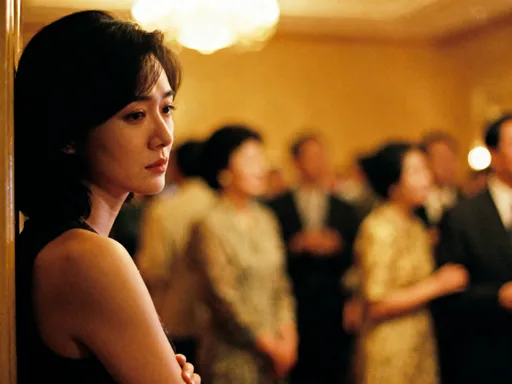
Social events are often portrayed as joyful, carefree occasions—laughter under string lights, easy conversations, and warm embraces. But for many, the reality is far different. Behind the smiles and small talk lies a quieter, more exhausting experience: the internal struggle of overthinking, self-monitoring, and emotional fatigue. These hidden stressors can transform what should be moments of connection into emotionally taxing performances. The pressure to appear relaxed, interesting, or likable can feel overwhelming, especially when the mind is already racing with questions like, “Am I saying the right thing?” or “Do they think I’m awkward?”
This emotional burden is not uncommon. Research in psychology consistently shows that social anxiety affects a significant portion of the population, with estimates suggesting that up to 12% of adults experience social anxiety disorder at some point in their lives. Even for those who don’t meet clinical criteria, mild to moderate social discomfort is widespread. The root of this stress often lies in the fear of negative evaluation—the worry that others are judging us, comparing us, or finding us lacking. This fear can activate the body’s stress response, triggering physical symptoms such as increased heart rate, sweating, and muscle tension, even in low-stakes settings like a neighborhood barbecue or a casual coffee meetup.
What makes this stress particularly insidious is that it often goes unnoticed or unacknowledged. Because social gatherings are expected to be enjoyable, people may dismiss their discomfort as a personal flaw rather than a legitimate emotional response. This can lead to avoidance behaviors—declining invitations, arriving late, or leaving early—all in an effort to minimize exposure to discomfort. Over time, these patterns can erode social confidence and reduce opportunities for meaningful connection. The irony is that the very events meant to bring people together can end up reinforcing isolation, especially when emotions are left unmanaged.
Moreover, the emotional toll of overthinking during social interactions doesn’t end when the event does. Many people replay conversations in their minds afterward, analyzing every word and gesture for signs of misstep or rejection. This rumination can extend for hours or even days, draining mental energy and reinforcing negative self-perceptions. The cumulative effect is a cycle: anxiety before the event, distress during it, and regret afterward. Breaking this cycle begins with recognizing that social stress is not a sign of weakness, but a natural human response that can be understood and managed with the right tools.
Why Emotion Management Matters in Social Settings
Emotional regulation is not about suppressing feelings or pretending to be calm when you’re not. It’s about developing the ability to recognize, understand, and respond to emotions in a way that supports well-being and effective interaction. In social settings, where emotions can arise quickly and unexpectedly, this skill becomes essential. When managed well, emotions can enhance connection—empathy allows us to tune into others, joy invites shared laughter, and even mild vulnerability can deepen bonds. But when left unchecked, emotions like anxiety or self-doubt can distort perception, narrow focus, and hinder authentic engagement.
From a neurological perspective, social interactions activate complex brain networks involved in threat detection, self-referential thinking, and emotional processing. The amygdala, for example, plays a key role in detecting potential social threats—such as being judged or excluded—and can trigger a stress response even in the absence of real danger. Meanwhile, the prefrontal cortex, responsible for rational thinking and emotional regulation, can become less effective under stress, making it harder to calm down or think clearly. This explains why, in moments of social anxiety, people may feel “flooded” by emotion and struggle to respond flexibly.
The difference between emotional suppression and emotional regulation is crucial. Suppression involves pushing emotions down or hiding them, which may provide short-term relief but often leads to increased internal tension and reduced social authenticity. In contrast, regulation involves acknowledging emotions without being overwhelmed by them. Techniques such as labeling feelings (“I’m feeling nervous”), practicing self-compassion (“It’s okay to feel this way”), and using calming strategies help maintain emotional balance. Studies have shown that individuals who use adaptive emotion regulation strategies report higher levels of well-being, stronger relationships, and greater social satisfaction.
In practical terms, managing emotions in social settings allows people to stay present rather than getting caught in mental loops. Instead of fixating on how one is being perceived, a regulated individual can focus on the conversation, listen actively, and respond authentically. This shift doesn’t require eliminating anxiety altogether—some level of nervousness is normal and even helpful—but rather learning to coexist with it without letting it take control. Over time, this builds confidence and reduces the anticipatory dread that often precedes social events.
Recognizing Your Emotional Triggers
Effective emotion management begins with awareness. Without understanding what sets off emotional reactions, it’s difficult to respond skillfully. Emotional triggers are specific situations, thoughts, or sensory experiences that provoke a strong emotional response. In social contexts, these can vary widely from person to person. For some, large groups may feel overwhelming; for others, one-on-one conversations with authority figures may spark anxiety. Triggers can also be internal—such as the expectation to be entertaining or the fear of saying something awkward.
Identifying personal triggers requires honest self-reflection and attention to bodily and mental cues. Physical signals often appear first: a tight chest, shallow breathing, clenched jaw, or flushed face. These are signs that the nervous system has shifted into a state of alertness. Cognitive patterns follow—repetitive thoughts like “They don’t really want me here” or “I’m boring them”—which can amplify distress. Behavioral responses, such as avoiding eye contact, speaking too quickly, or retreating to a quiet corner, are outward manifestations of internal discomfort.
A practical way to build this awareness is through a self-check framework used before, during, and after social events. Before attending a gathering, take a few moments to ask: What am I anticipating? What past experiences might be influencing my expectations? During the event, pause periodically to scan the body and mind: What am I feeling right now? Where do I feel tension? What thoughts are running through my head? Afterward, reflect: What moments felt difficult? What helped me feel more at ease? Journaling these observations over time can reveal recurring patterns and clarify which situations are most challenging.
It’s also important to recognize that triggers are not flaws—they are indicators of sensitivity and care. Someone who worries about being judged may deeply value connection and respect. The goal is not to eliminate triggers but to respond to them with greater skill and self-compassion. By mapping out personal emotional landscapes, individuals gain the insight needed to prepare, adapt, and respond in ways that support emotional balance rather than disruption.
The Power of Preparation: Mentally and Emotionally
Walking into a social event without preparation is like stepping onto a stage without rehearsal—it increases the likelihood of feeling unsteady or reactive. Mental and emotional preparation is not about scripting conversations or forcing a persona, but about creating internal conditions that support calm and presence. Just as athletes visualize performance or musicians warm up before playing, socially anxious individuals can benefit from intentional pre-event practices that build confidence and reduce reactivity.
One effective strategy is setting a realistic social intention. Instead of aiming to be the most engaging person in the room, a more manageable goal might be: “I will listen more than I speak” or “I will make eye contact and smile at three new people.” These intentions shift focus from performance to participation, reducing pressure and fostering a sense of agency. Research in goal-setting theory supports this approach, showing that specific, attainable goals enhance motivation and reduce anxiety in challenging situations.
Another valuable tool is cognitive reframing—adjusting expectations to align with reality. Many people enter social events with unconscious assumptions, such as “Everyone will notice if I’m nervous” or “I need to impress people to be accepted.” These beliefs are rarely true, yet they shape emotional experience. By consciously replacing them with more balanced thoughts—“Most people are focused on themselves, not me” or “Connection grows over time, not in a single conversation”—individuals can reduce self-imposed pressure. This doesn’t mean denying discomfort, but rather contextualizing it within a more accurate and compassionate perspective.
Short mindfulness exercises before an event can also make a significant difference. A two- to five-minute breathing practice, focusing on slow, deep inhales and exhales, helps regulate the nervous system and anchor attention in the present moment. Body scans, where one mentally checks in with different parts of the body, can release tension and increase bodily awareness. These practices don’t eliminate anxiety, but they create a buffer between stimulus and reaction, allowing for more thoughtful responses. Over time, consistent preparation builds a sense of emotional readiness, transforming social events from threats into manageable experiences.
In-the-Moment Tools for Staying Calm
Even with preparation, emotions can surge during social interactions. A sudden silence in conversation, an unexpected question, or the feeling of being watched can trigger a wave of anxiety. In these moments, having practical, evidence-based tools can make the difference between spiraling and stabilizing. The key is to use techniques that are subtle, accessible, and effective in real time—strategies that can be applied without drawing attention or disrupting the flow of interaction.
One of the most powerful tools is grounding through breath. When anxiety rises, breathing often becomes shallow and rapid, reinforcing the body’s stress response. Consciously slowing the breath—inhaling for four counts, holding for four, exhaling for six—activates the parasympathetic nervous system, which promotes relaxation. This technique can be done discreetly, even mid-conversation, and can quickly reduce physical symptoms of anxiety. The focus on breath also serves as an anchor, pulling attention away from racing thoughts and back to the present moment.
Another effective method is sensory grounding—using the five senses to reconnect with the environment. This might involve noticing the texture of a drink’s cup, listening to background music, or observing the colors and shapes in the room. By shifting attention outward, individuals interrupt the cycle of self-focused rumination. A simple mental exercise like “Name five things you can see, four you can touch, three you can hear, two you can smell, and one you can taste” can quickly reset the mind and restore a sense of calm.
Thought reframing is another in-the-moment strategy. When a negative thought arises—“I’m messing this up”—the goal is not to suppress it, but to challenge it with a more balanced perspective. Asking, “What’s the evidence for this thought?” or “What would I say to a friend in this situation?” introduces cognitive flexibility. Self-compassionate statements like “It’s okay to feel awkward—this is part of being human” reduce shame and create emotional space. These shifts don’t require long reflection; even a few seconds of conscious reevaluation can alter emotional trajectory.
Finally, strategic pauses can be powerful. Instead of feeling compelled to respond immediately, it’s okay to say, “Let me think about that for a second,” or take a sip of water to create a brief pause. These moments allow the brain to reset and prevent reactive speech. Over time, using these tools builds a sense of agency—knowing that even in moments of discomfort, there are ways to regain balance.
Building Emotional Strength Through Regular Practice
Emotional regulation is not a one-time fix but a skill that strengthens with consistent practice, much like physical fitness. Just as regular exercise builds muscle endurance, daily emotional practices enhance resilience, self-awareness, and adaptability. The more frequently individuals engage in reflective and calming routines, the more readily they can access these skills during social challenges. Over time, this reduces emotional reactivity and increases the capacity to remain present and engaged.
Daily reflection is a foundational practice. Setting aside five to ten minutes each day to check in with emotions—what arose, how they were managed, what support was needed—creates a habit of self-awareness. This doesn’t require lengthy journaling; even brief notes or mental review can reinforce learning. Over weeks and months, patterns emerge, revealing progress and areas for growth. For example, someone might notice that on days they meditate, social interactions feel less draining, or that naming emotions in real time reduces their intensity.
Journaling, in particular, has been shown in psychological research to improve emotional processing and reduce rumination. Writing about stressful experiences in a structured way—describing the event, the emotions felt, and alternative perspectives—helps integrate difficult feelings and reduce their lingering impact. It also serves as a record of growth, allowing individuals to look back and see how far they’ve come, which boosts motivation and self-efficacy.
Mindfulness meditation is another powerful tool. Regular practice—even ten minutes a day—has been linked to increased gray matter in brain regions associated with emotional regulation and decreased activity in the amygdala. Apps and guided recordings make this accessible to beginners. The benefits extend beyond meditation itself; practitioners often report greater calm, improved focus, and enhanced emotional awareness in daily life, including social situations. Over time, the brain becomes better at returning to balance after emotional disruptions.
These practices don’t need to be time-consuming or complicated. The consistency matters more than the duration. By integrating small, sustainable habits into daily life, individuals build a reservoir of emotional strength that supports them when social demands arise. This long-term approach shifts the focus from crisis management to proactive well-being, making social events feel less like obstacles and more like opportunities for connection.
From Survival to Enjoyment: Transforming Your Social Experience
The ultimate goal of emotion management is not to endure social events, but to enjoy them. For many, the journey begins with survival—getting through a gathering without panic, minimizing discomfort, or avoiding embarrassment. But with consistent practice, the experience can evolve into something richer: presence, authenticity, and genuine connection. This transformation doesn’t require becoming someone else; it’s about creating the internal space to be who you already are, without the weight of constant self-monitoring.
As emotional regulation skills improve, the focus naturally shifts from self-protection to engagement. Instead of scanning the room for threats, individuals begin to notice opportunities—to share a story, ask a question, or simply enjoy the atmosphere. Conversations become less about performance and more about exchange. Smiles feel more natural, laughter more spontaneous. The energy that was once spent managing anxiety becomes available for enjoyment, curiosity, and connection.
This shift is not instantaneous, nor is it linear. There will still be moments of discomfort, awkward pauses, or social missteps. But the difference lies in the response. Rather than spiraling into self-criticism, individuals learn to respond with kindness and perspective. They understand that imperfection is part of being human, and that connection often grows in the spaces between polished words. Over time, social events stop being measured by how well one “performed” and start being valued for the moments of warmth, humor, or shared understanding they offered.
Moreover, this transformation extends beyond individual events. As confidence grows, people may find themselves accepting invitations more readily, initiating plans, or engaging in conversations they once avoided. Social life becomes a source of replenishment rather than depletion. The relationships that form or deepen through these experiences contribute to long-term well-being, reinforcing the value of emotional work. It’s not about becoming the life of the party, but about reclaiming the right to belong, participate, and enjoy—on one’s own terms.
Emotion management in social settings isn’t a quick fix—it’s a skill built through awareness, practice, and self-compassion. When you learn to navigate your emotions effectively, social activities stop being threats and start becoming meaningful experiences. The goal isn’t perfection; it’s progress. With the right tools, anyone can move from surviving gatherings to truly living them.